Professional Panama City Beach top Pool Cleaning Service for Every Pool
Professional Panama City Beach top Pool Cleaning Service for Every Pool
Blog Article
Reliable Pool Cleaning Service for Crystal Clear Waters
A trustworthy pool cleaning service is crucial in preserving clear and clean waters. With expert knowledge and specialized tools, these services properly handle chemical balances and avoid potential health hazards. Routine upkeep not only improves a pool's aesthetic appeal but also protects its longevity. Recognizing the key benefits and considerations of hiring such a service can lead to informed decisions for pool owners. What factors should be taken view details into account when selecting the right service?
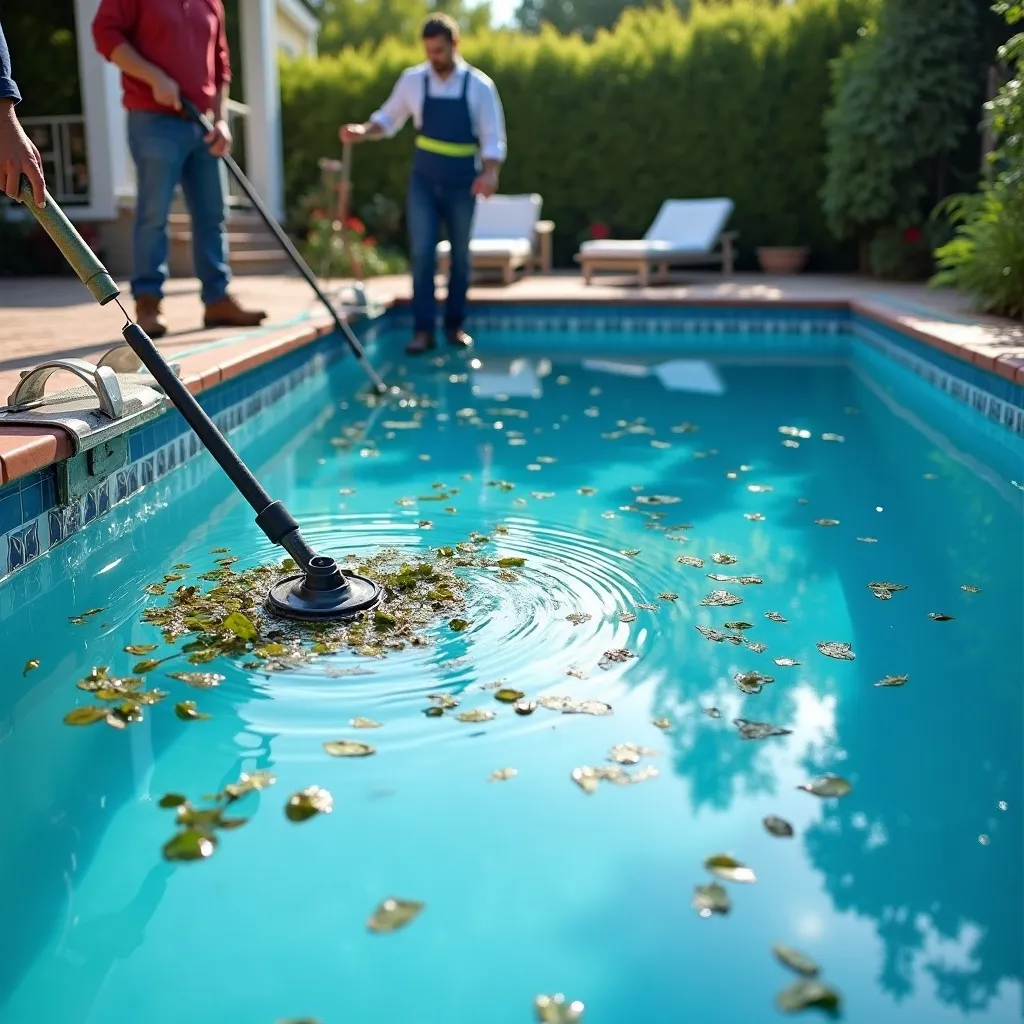
Why Pick a Established Pool Maintenance Service?
Why ought homeowners evaluate a reliable pool cleaning service? The care of a pool requires regular attention to guarantee water quality and safety. Homeowners often lack the time or expertise to manage this properly. A reliable pool cleaning service offers expert skills and tools, confirming that the pool stays clean and inviting. By assigning the task to professionals, homeowners can sidestep potential health hazards associated with unclean water, such as algae growth and harmful bacteria.
Furthermore, these offerings can help prolong the life of the pool's infrastructure by tackling issues like debris accumulation and chemical balance. Homeowners can also gain advantages from routine inspections, identifying problems before they develop into costly repairs. Ultimately, engaging a dependable pool cleaning service allows homeowners to enjoy their pool without the stress of maintenance, providing peace of mind and enhancing their overall swimming experience.
Primary Advantages of Retaining a Pool Care Service
While many homeowners may miss the importance of the importance of pool care, hiring a reputable pool service provider offers substantial advantages that enhance both the overall condition of the pool and the user's experience. One considerable advantage is the expertise these practitioners bring, ensuring that all aspects of pool care—from chemical balancing to equipment maintenance—are executed competently. This skill set helps in preventing pricey repairs down the line.
Additionally, a systematic cleaning schedule diminishes the burden on homeowners, allowing them to enjoy their pool without the stress of upkeep. Professionals also use cutting-edge tools and high-quality cleaning solutions that can achieve superior results compared to DIY methods.
Furthermore, employing a company conserves time, enabling homeowners to focus on leisure rather than labor. Ultimately, the expenditure in a pool cleaning service leads to a more welcoming, hygienic swimming environment, enhancing both the aesthetic appeal and functionality of the pool.
Primary Criteria for Choosing a Pool Maintenance Service
Identifying the most suitable pool cleaning service necessitates deliberate reflection regarding multiple significant factors. Most importantly, a reputable service should secure proper standing, including licenses and insurance, confirming compliance with local regulations and offering protection against possible complications. Next, user reviews and references function as valuable indicators of reliability and quality, facilitating prospective clients to assess the service's reputation.
Additionally, the range of services offered is essential; a thorough cleaning service should include regular maintenance, chemical balancing, and equipment inspections. Transparency in pricing is another important criterion, as transparent and forthright quotations prevent unforeseen expenses. Moreover, a dedication to employing eco-conscious materials can improve the service's attractiveness, matching the preferences of environmentally aware customers. Finally, the provision of adaptable scheduling arrangements guarantees that the offering can accommodate clients' unique needs, boosting general satisfaction and ease.
Comparing Swimming pool Cleaning Methods: Advantages and Disadvantages
When investigating pool cleaning methods, it is critical to discern the positives and negatives of each approach. Manual cleaning facilitates in-depth and precise care but can be labor-intensive and time-consuming. Automatic cleaners furnish accessibility and productivity, though they may not reach every corner of the pool.
Chemical treatments are reliable in sterilizing, but improper use can lead to imbalanced water chemistry. In alternatively, nature-based cleaning solutions, like using biological agents, are environmentally safe but may require increased application frequency to retain clearness.
Robotic cleaners are more popular than ever, combining automation with effectiveness but often involve a higher initial price tag. In the final analysis, which cleaning technique works will depend on budget, time availability, and personal preference. Knowing these benefits and drawbacks helps pool owners to choose confidently and ensure their pool stays crystal clear and inviting.
How Regular Should Your Pool Cleaning Schedule Be?
Assessing how often a pool requires cleaning depends upon multiple elements that can markedly shape maintenance needs. Seasonal changes, the degree of pool activity, and overall water condition constitute essential aspects in developing an efficient cleaning schedule. Understanding these dimensions can help pool proprietors sustain a wholesome and delightful swimming environment.
Seasonal Cleaning Guidance
Consistent pool maintenance is crucial for keeping a safe and inviting swimming environment. Seasonal care recommendations suggest that pool owners should arrange cleanings based on the specific requirements of their pool and regional weather. In spring, a comprehensive cleaning is required to eliminate debris gathered over winter. During the summer season, frequent cleanings are often advised to manage heightened activity and algae development. As autumn arrives, increased cleanings may be needed to handle leaves and other organic matter. In winter, if the pool is not in use, twice-monthly care can help avoid issues like freezing and algae buildup. Following these seasonal guidelines ensures peak pool health, safety, and satisfaction throughout the year.
Pool Usage Frequency Impact
How often should pool managers consider maintaining their pool? The frequency of pool upkeep largely depends on usage patterns. For pools that see constant usage, especially in hot seasons, a weekly maintenance plan is recommended to maintain optimal cleanliness and visual appeal. Conversely, pools that are used less frequently may only require cleaning every two weeks. Weather-related considerations also play a role; for instance, during autumn, leaves and debris may require more regular attention. Additionally, the presence of bathers introduces contaminants, which can accelerate the need for cleaning. Recognizing these factors helps pool owners establish a customized maintenance schedule that guarantees a clean, appealing pool setting without unnecessary maintenance costs.
Grade of Water Considerations
The cleanliness of pool water is an significant factor in creating a safe and pleasant swimming environment. Regular maintenance is vital to preserve ideal water quality, typically suggested once a week for residential pools. However, the frequency may differ based on multiple factors, including pool usage, weather conditions, and surrounding vegetation. Heavy usage or debris-laden environments may require more frequent cleaning. Additionally, regular testing of water chemistry—such as pH and chlorine levels—is crucial to guarantee sanitary conditions. Neglecting these aspects can lead to algae growth, cloudy water, and possible health risks. Consequently, investing in a reliable cleaning service not only enhances the pool's appearance but also protects the health of its users.
What Could Go Wrong Without Proper Maintenance?
Disregarding pool maintenance can result in numerous challenges that compromise both the safety and satisfaction of the swimming setting. Without routine cleaning, debris accumulates, creating a sanctuary for bacteria and algae development, which can pose dangers to health to pool swimmers. Also, unbalanced chemical levels may cause skin problems, eye discomfort, or increasingly serious health issues.
Over time, the pool's filter mechanism can become clogged, reducing its efficiency and causing cloudy water. Moreover, neglecting regular inspections can cause physical deterioration, including cracks in the pool surface and rust of metal components. This deterioration not only affects aesthetics but can also lead to costly repairs. Overall, not properly caring for a pool compromises its performance and safety, ultimately diminishing the enjoyment of swimming and increasing long-term expenses for the owner. Regular maintenance is essential for maintaining a spotless, secure, and pleasant pool environment.
Standard Pool Cleaning Missteps to Dodge
Consistent maintenance is essential for preventing numerous concerns, but even conscientious pool owners can make mistakes during the cleaning process. One typical error is overlooking to check chemical levels before cleaning. Unbalanced chemicals can produce algae growth or cloudy water, undermining the cleaning effort. Additionally, selecting unsuitable tools can damage surfaces; for example, metal brushes can gouge vinyl liners.
Another common mistake is neglecting the skimmer and pump baskets. Not emptying these can limit water flow and reduce cleaning efficiency. Some owners also overlook routine filter upkeep, leading to reduced performance and higher energy expenses.
To summarize, cleaning infrequently can result in a buildup of debris and contaminants. By avoiding these routine mistakes, pool owners can assure their cleaning routines are productive, sustaining their waters crystal clear and inviting for all.
Often Asked Questions
How can I confirm if my pool cleaner has valid credentials?
To determine if a pool cleaner is properly certified, one should check their qualifications with pertinent professional organizations, examine licensing status, and ask regarding their expertise and background in pool maintenance and safety standards.
Which Treatments Are Pool Cleaning Services Usually Using?
Pool cleaning services typically apply chlorine, pH adjusters, algaecides, and clarifiers. These compounds maintain water transparency, prevent algal development, and ensure safe swimming conditions, contributing to effective pool care and general hygiene.
Can a Pool Maintenance Service Manage Repair Needs in Addition?
Numerous pool cleaning companies deliver repair capabilities, addressing concerns such as water loss, mechanical failures, or surface damage. Their expertise permits for both maintenance and repair, ensuring pools remain functional and safe for users.
How Do Weather Conditions Affect Pool Cleaning Timelines?
Weather conditions substantially influence pool service schedules. Rain, wind, and extreme temperatures can slow down maintenance, necessitating adjustments. Additionally, storms may deposit contaminants, requiring more frequent cleanings to sustain pool sanitation and transparency.
What actions must I take in advance of the Pool Cleaning Service shows up?
As the pool service team approaches, the homeowner should take away any pool toys, seating, and leftover materials from the area. Additionally, assessing the water level and allowing access to equipment can support a smoother cleaning process.